
Introduction
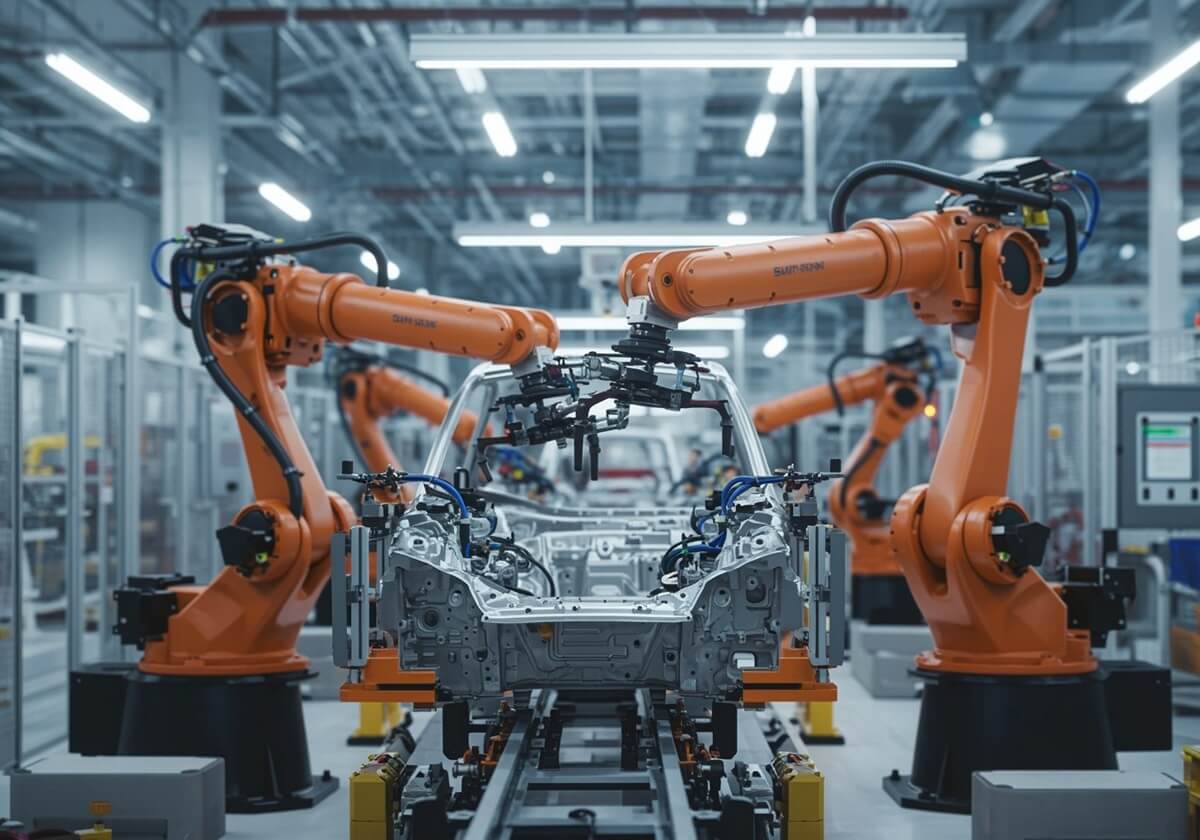
India is rapidly becoming a hub for smart manufacturing and industrial automation. Global OEMs, especially those specializing in robotics, AI-based quality inspection, and smart control systems, are eyeing India for both demand growth and strategic positioning. However, without the right local partner, even world-class technology can struggle to gain traction.
Why India is a Different Market
India’s industrial automation sector is expanding—but not uniformly. It’s a price-sensitive, highly fragmented, and relationship-driven market. Without a nuanced understanding of how buyers evaluate suppliers, or how procurement decisions are made, even experienced global firms can feel lost.
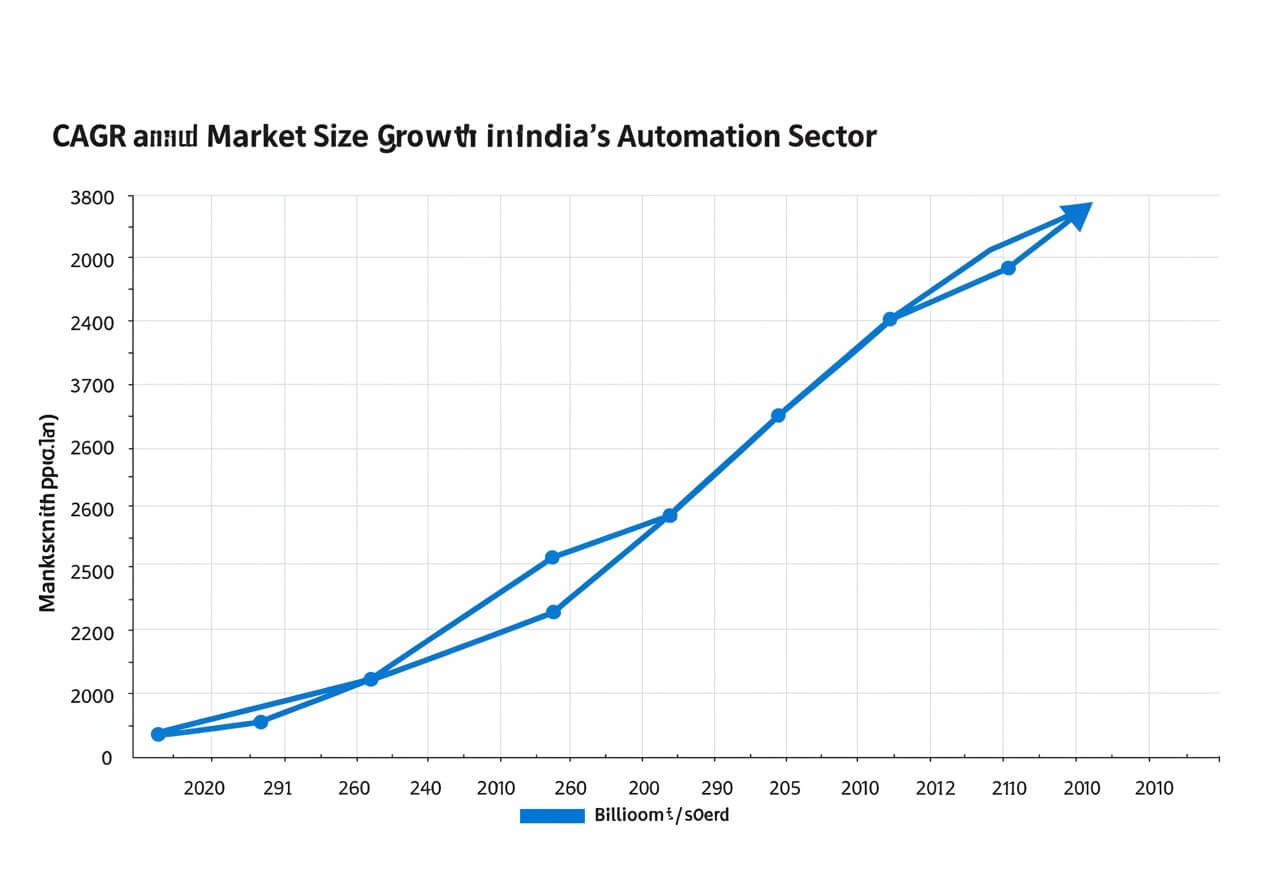
📊 India’s industrial automation market is projected to grow at a CAGR of 10.5% through 2028, led by sectors like automotive, packaging, electronics, and renewables.
What Strategic Partners Actually Do
A sales channel partner isn’t just a bridge—they’re your feet on the ground, capable of managing:
- Direct Sales & Technical Demonstrations
- Distributor Vetting & Onboarding
- Buyer Education in Indian Languages
- Follow-up, Retention, and Lead Management
- Post-sale Support & Feedback Loops
Unlike import agents or “introducers,” effective partners are involved before, during, and after the sale.
Key Qualities of a Successful Sales Partner
| Attribute | Why It Matters in India |
|---|---|
| Technical Literacy | Ability to communicate with plant teams |
| C-Level Access | Speeds up approvals and closes deals |
| Cultural Context | Understands Indian buyer psychology |
| Hands-On Follow-up | Trust-building across long sales cycles |
| Positioning Strategy | Maintains premium image in cost-sensitive sectors |

When Should You Appoint a Channel Partner?
You should consider partnering when:
- Your product requires education or demos
- You want to test the market before committing a team
- You need accelerated outreach to OEMs and Tier-1 customers
- You’re unsure of Indian legal/tax frameworks or customer risks
Final Thought
Looking to grow in India’s automation sector?